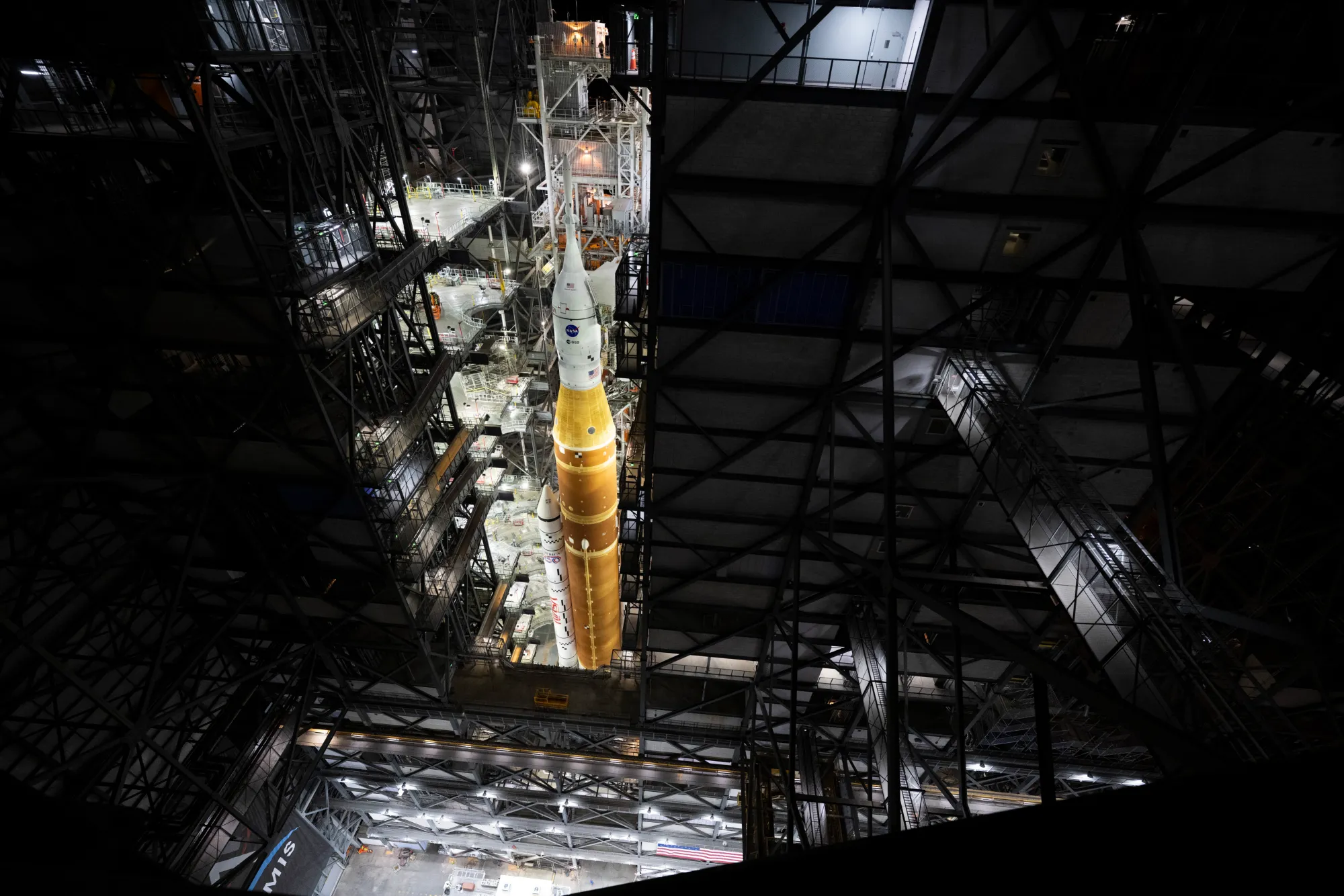
nasa artemis ii launch pad
The NASA Artemis II launch pad is one of the most important pieces of infrastructure in modern space exploration. It is not just a place where a rocket lifts off; it represents NASA’s return to crewed deep space missions and the next major step toward long-term Moon exploration. Artemis II will be the first mission in the Artemis program to carry astronauts around the Moon, making the launch pad a critical foundation for human spaceflight.
Unlike earlier missions, Artemis II demands higher safety standards, stronger systems, and advanced launch technologies. NASA has carefully prepared this launch site to support astronauts, the Space Launch System rocket, and the Orion spacecraft. Every structure, cable, and system at the pad exists for one purpose: to safely send humans beyond Earth orbit.
This guide explains everything you need to know about the NASA Artemis II Launch Pad, including its location, upgrades, safety features, and future role in lunar missions. The information is written in simple, clear language so it’s easy to understand, even if you are not a space expert.
What Is the NASA Artemis II Launch Pad and Why It Matters
The NASA Artemis II launch pad is the designated launch site where the Artemis II mission will begin its journey into space. It is part of NASA’s broader Artemis program, which aims to return humans to the Moon and prepare for future missions to Mars. This launch pad is specially configured to support a human spaceflight mission, making it very different from pads used for uncrewed launches.
What makes this launch pad so important is its role in astronaut safety and mission reliability. Artemis II is a crewed mission, which means the launch environment must be extremely controlled. The pad supports the Space Launch System launch pad infrastructure and provides the necessary connections for fueling, communications, and emergency systems.
NASA designed this launch pad to handle powerful rockets, complex countdown systems, and strict safety requirements. Without this pad, Artemis II simply could not happen. It is the physical starting point of NASA’s next era of Moon exploration and deep space exploration.
Where Is the NASA Artemis II Launch Pad Located?
The NASA Artemis II launch pad is located at the Kennedy Space Center launch pad area in Florida. Kennedy Space Center has been the heart of NASA’s launch operations for decades, hosting historic missions from Apollo to the Space Shuttle program.
More specifically, Artemis II will launch from Launch Complex 39B, a site known for supporting some of the most powerful rockets ever built. This location was chosen because it already has the space, security, and infrastructure needed for large-scale missions.
Florida’s east coast offers ideal launch conditions. The location allows rockets to launch over the Atlantic Ocean, reducing risk to populated areas. It also provides direct access to key tracking and communication systems. For NASA, Kennedy Space Center remains the most reliable and proven launch site for missions of this scale.
Launch Complex 39B as the Official Artemis II Launch Pad
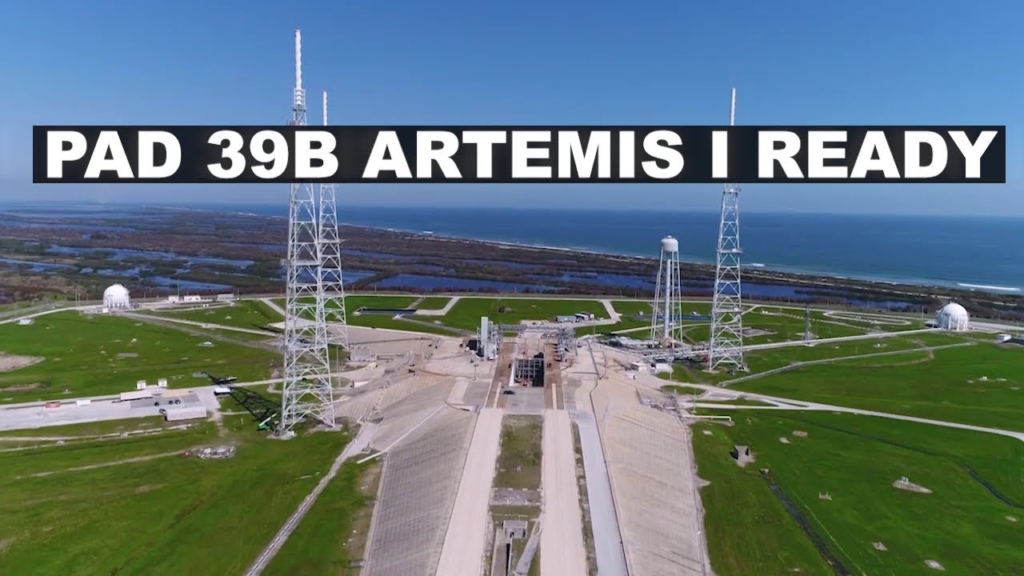
Launch Complex 39B serves as the official Artemis II launch complex. This site has a long and respected history, having supported Apollo missions that first sent humans to the Moon. Today, NASA has modernized it to meet the demands of current and future missions.
Unlike earlier launch pads, Launch Complex 39B is designed as a “clean pad.” This means most mission-specific systems are located on mobile structures rather than permanently attached to the pad. This design allows NASA to support different types of rockets and missions with greater flexibility.
For Artemis II, Launch Complex 39B supports the Space Launch System rocket and the Orion spacecraft launch pad requirements. It provides power, data connections, and environmental controls needed during the countdown and liftoff process. The pad’s design reflects NASA’s long-term vision for reusable and adaptable launch infrastructure.
How NASA Upgraded the Artemis II Launch Pad for Crew Missions
To prepare for Artemis II, NASA carried out extensive launch pad modifications. These upgrades were necessary because carrying astronauts requires a much higher level of safety and system reliability compared to uncrewed missions.
One major upgrade involved strengthening the pad to handle the extreme force of the Space Launch System rocket. Engineers reinforced structures to manage vibration, heat, and acoustic energy during liftoff. NASA also improved access platforms so crews can safely enter and exit the Orion spacecraft.
Another key improvement was the integration of advanced communication and monitoring systems. These systems allow NASA teams to track every detail of the rocket and spacecraft in real time. Together, these upgrades ensure the Artemis II crewed mission launch pad meets modern human spaceflight standards.
Key Systems and Infrastructure at the NASA Artemis II Launch Pad
The NASA launch pad for Artemis II includes a wide range of systems working together as one. These systems support the rocket, spacecraft, and crew during the critical hours before launch.
One of the most visible elements is the launch tower and mobile launcher. This structure carries umbilical arms that connect the rocket to power, fuel, and data systems. It moves with the rocket and can be rolled away after launch.
The pad also includes advanced rocket fueling systems designed to safely load cryogenic propellants into the Space Launch System. These systems are carefully controlled to prevent leaks or pressure issues. Combined with environmental control systems, they keep the Orion spacecraft in perfect condition until liftoff.
Crew Safety Features at the Artemis II Launch Pad
Safety is the top priority for any NASA crewed spacecraft mission, and the Artemis II launch pad includes multiple layers of protection. These crew safety systems are designed to protect astronauts before and during launch.
One critical feature is the emergency escape system. If a problem occurs on the pad, astronauts can quickly evacuate using specially designed routes and vehicles. NASA has tested these systems extensively to ensure they work under real-world conditions.
The pad also includes fire suppression systems, blast protection, and continuous monitoring for hazardous gases. These safety features reflect lessons learned from past missions and represent NASA’s commitment to protecting human life during space exploration.
NASA Artemis II Launch Pad vs Artemis I Launch Setup
Although Artemis I and Artemis II use the same general location, there are important differences between their launch setups. Artemis I was an uncrewed mission, while Artemis II is a human spaceflight mission, which changes everything.
For Artemis II, NASA added additional access arms, safety sensors, and communication systems. The pad now supports crew boarding and emergency evacuation, which were not required for Artemis I. Testing procedures are also more detailed and time-consuming.
These differences highlight how the Artemis program launch infrastructure evolves with each mission. Artemis II represents a major step forward, proving that NASA can safely send humans beyond Earth orbit again.
Pre-Launch Preparations at the NASA Artemis II Launch Pad
The pre-launch preparations for Artemis II begin months before liftoff. NASA teams inspect every part of the launch pad, from electrical systems to fuel lines. Even small issues are addressed long before launch day.
As the launch date approaches, the Space Launch System rocket is rolled to the pad and connected to ground systems. Engineers conduct multiple tests to verify power, communications, and environmental controls. The countdown and liftoff process includes many built-in checkpoints to ensure everything is functioning correctly.
These careful preparations reduce risk and increase mission success. For NASA, a smooth launch begins with disciplined planning and attention to detail at the launch pad.
Importance of the Artemis II Launch Pad for Human Spaceflight
The Artemis II launch site is more than a technical facility; it is a symbol of NASA’s return to crewed deep space exploration. This pad enables astronauts to travel farther than humans have gone in decades.
By supporting the Orion spacecraft and Space Launch System, the pad makes Moon exploration missions possible. It also provides valuable experience that NASA will use for future Mars missions.
Every successful operation at the Artemis II launch pad builds confidence in NASA’s systems and teams. It shows that human spaceflight beyond low Earth orbit is not only possible but sustainable.
Future Artemis Missions Using the NASA Artemis II Launch Pad
The role of the NASA Artemis II launch pad does not end with one mission. This site is expected to support many future lunar missions as part of the Artemis program.
As NASA continues its Moon exploration mission goals, the launch pad will evolve with new technologies and safety improvements. Lessons learned from Artemis II will help refine procedures and systems for later missions, including long-term lunar presence.
In the long run, this launch pad will serve as a gateway for deep space exploration. From the Moon to Mars, NASA’s journey forward begins at this carefully prepared site, making it one of the most important launch pads in the world.
Trendy Info
Frequently Asked Questions (FAQs)
What is the NASA Artemis II launch pad?
The NASA Artemis II launch pad is the facility at Kennedy Space Center where the Artemis II mission will launch. It is specially prepared to support a crewed human spaceflight mission using the Space Launch System rocket and the Orion spacecraft.
Where will Artemis II launch from?
Artemis II will launch from Launch Complex 39B at NASA’s Kennedy Space Center in Florida. This launch site has been upgraded to meet modern safety and technology requirements for astronaut missions.
Why is the Artemis II launch pad important?
The Artemis II launch pad is important because it enables NASA to safely launch astronauts beyond low Earth orbit. It plays a key role in NASA’s plan to return humans to the Moon and prepare for future deep space exploration.
Is the Artemis II launch pad different from Artemis I?
Yes, the Artemis II launch pad includes additional crew access systems, safety features, and monitoring equipment. These upgrades were not required for Artemis I because it was an uncrewed mission.
What rocket will launch from the Artemis II launch pad?
The Space Launch System rocket will launch from the Artemis II launch pad. It is NASA’s most powerful rocket and is designed to carry astronauts and heavy payloads into deep space.
How does NASA ensure astronaut safety at the launch pad?
NASA uses multiple crew safety systems at the launch pad, including emergency evacuation routes, fire suppression systems, and continuous monitoring of hazardous conditions to protect astronauts before liftoff.
Can the Artemis II launch pad be used for future missions?
Yes, the Artemis II launch pad is designed for long-term use. It will support future Artemis missions, including later Moon exploration missions and other crewed spaceflights.
What role does the launch pad play in the Artemis program?
The launch pad is a critical part of the Artemis program launch infrastructure. It serves as the starting point for NASA’s human missions to the Moon and future deep space exploration goals.
About the Author