Hispanic sports person
The term Hispanic sports person represents far more than a demographic label in modern athletics. It reflects a powerful blend of cultural heritage, determination, and world-class talent that has shaped nearly every major sport. From football stadiums in Europe to baseball diamonds in the United States and boxing arenas across Latin America, athletes of Hispanic background have consistently demonstrated excellence at the highest levels. Their presence has not only transformed scoreboards but also influenced culture, identity, and representation in global sports.
In the last few decades, there have been substantial advancements in the visibility of Hispanic athletes. Developments in media, global event coverage, and digital media have connected fans and athletes across the world. The ability to reach diverse target audiences has created opportunities for sponsorship, endorsements, and the ability to shape culture. Most importantly, these developments have illuminated Hispanic athletes and created role models for the younger generation in the Hispanic community.
One of the most remarkable aspects of this rise is the diversity within Hispanic representation itself. The Hispanic community spans numerous countries, languages, and traditions. Athletes from Mexico, Puerto Rico, Spain, Argentina, the Dominican Republic, Colombia, and many other nations each bring distinct styles and approaches to competition. Yet, they often share common values such as resilience, family pride, and community support, which play a significant role in their journeys.
The impact extends beyond medals and trophies. A Hispanic sports person frequently becomes a symbol of aspiration within their community. Success on an international stage can inspire educational programs, youth academies, and social initiatives. In many cases, these athletes give back through foundations or mentorship programs, reinforcing a cycle of opportunity and inspiration that reaches far beyond the playing field.
Historical Contributions Across Major Sports
Historically, Hispanic athletes have left a permanent mark on professional sports. In baseball, legends like Roberto Clemente elevated the game not only through exceptional performance but also through humanitarian work. Clemente’s career demonstrated how athletic excellence could coexist with deep community engagement. His legacy continues to influence how players view their responsibilities off the field.
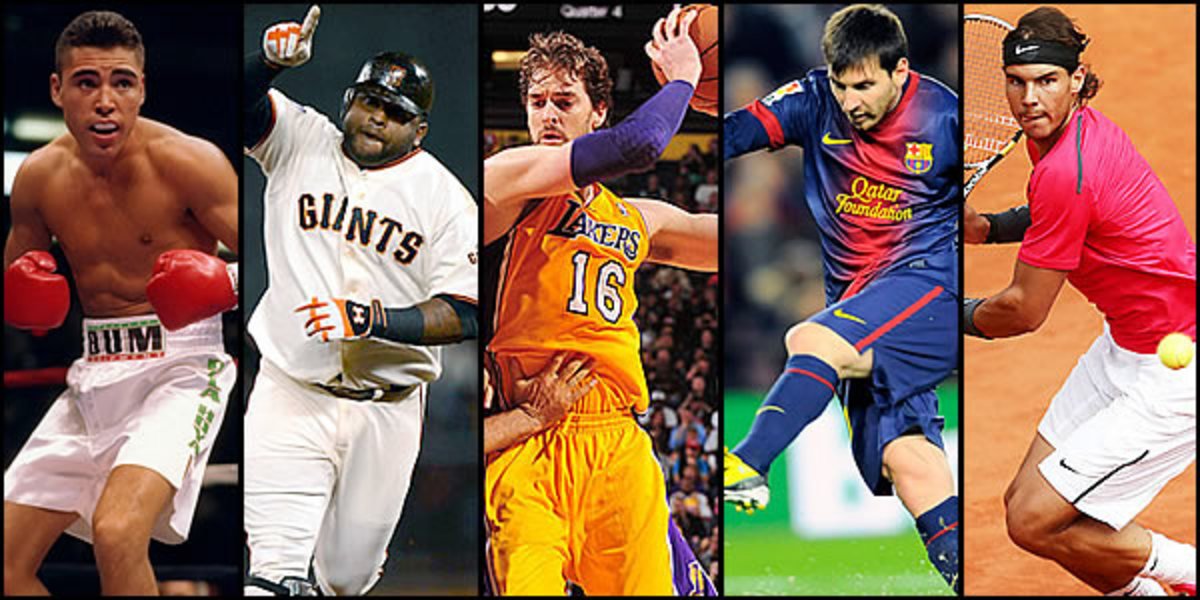
As an example, in the world of boxing, the likes of Julio Cesar Chavez became legends in Latin America, and even beyond. Chavez’s unwavering dominance and quick rise in the late 20th century, and his ability to outclass his rivals, made Mexico a powerhouse in Chavez’s era of boxing. The boxing world has traditionally offered a more economically feasible route for recognition and global success for talented athletes from the lower-income Hispanic community.
Football, known globally as soccer, offers countless examples of Hispanic influence. Players like Lionel Messi have redefined what is possible through skill, vision, and creativity. Messi’s success at club and international levels demonstrates how talent nurtured in local academies can evolve into global stardom. His journey resonates with millions of aspiring athletes who dream of following a similar path.
Tennis has also seen extraordinary Hispanic champions. Rafael Nadal stands as one of the greatest players in the sport’s history. His discipline, endurance, and relentless competitiveness have set standards that extend beyond national boundaries. These historical contributions highlight how the Hispanic sports person has consistently shaped the evolution of multiple disciplines.
Cultural Identity and Athletic Performance
Cultural identity plays a meaningful role in shaping athletic performance. For many athletes, heritage provides motivation and grounding. Family traditions, community values, and shared history create a support system that reinforces discipline and perseverance. The Hispanic sports person often carries not only personal ambition but also collective pride into competition.
In many Hispanic households, sports are deeply embedded in daily life. Neighborhood games, school tournaments, and community leagues provide early exposure to structured competition. These grassroots environments cultivate not only physical skills but also mental resilience. Young athletes learn teamwork, strategy, and emotional control from an early age, preparing them for higher levels of competition.
Language and cultural expression also influence confidence. Celebrating heritage through interviews, celebrations, or national symbols reinforces authenticity. Rather than assimilating entirely into dominant sports cultures, many athletes embrace bilingual communication and cultural traditions. This confidence in identity often translates into stronger self-belief during high-pressure moments.
Moreover, cultural narratives of overcoming adversity resonate strongly within Hispanic communities. Stories of migration, economic hardship, and perseverance create a framework that values hard work and determination. When athletes internalize these narratives, they often develop a mindset that views obstacles as challenges rather than barriers.
Representation, Media, and Global Visibility
Media representation has dramatically amplified the visibility of Hispanic athletes. Television broadcasts, streaming platforms, and social media allow fans to engage directly with their favorite players. This increased exposure helps normalize diversity within professional sports, showcasing a wide range of backgrounds and stories.
Endorsement deals and brand partnerships further expand influence. A successful Hispanic sports person frequently becomes a brand ambassador not only for athletic companies but also for cultural initiatives. These partnerships highlight the commercial value of diversity and the importance of inclusive marketing strategies.
Social media has added another dimension to representation. Athletes now control their own narratives, sharing personal milestones, training routines, and community involvement directly with followers. This transparency builds trust and relatability. Fans appreciate seeing the human side of elite performers, which strengthens loyalty and admiration.
However, representation also carries responsibility. Athletes are often seen as role models, and their words and actions can influence public discourse. By promoting education, health, and social unity, many Hispanic athletes use their platforms constructively. Their visibility becomes a tool for positive change.
Challenges Faced by Hispanic Athletes
Despite progress, Hispanic athletes have faced and continue to face challenges. Economic disparities in certain regions can limit access to quality training facilities and coaching. Talented individuals may struggle to secure sponsorship or exposure during critical developmental years.
Language barriers can also create obstacles in international leagues. Adjusting to new countries, cultures, and media expectations requires adaptability. Some athletes must navigate unfamiliar systems while maintaining performance under intense scrutiny.
Stereotypes and biases occasionally affect perceptions as well. Certain sports may carry assumptions about physical attributes or playing styles associated with Hispanic athletes. Overcoming these preconceived notions requires consistent excellence and professionalism.
Yet resilience remains a defining trait. Many athletes transform adversity into motivation. The journey of a Hispanic sports person often includes overcoming structural challenges, which ultimately strengthens character and determination.
Youth Development and Grassroots Impact
Grassroots programs play a crucial role in nurturing future talent. Local academies, community leagues, and school competitions serve as the foundation for athletic growth. Coaches who understand cultural nuances can provide mentorship that extends beyond technical skills.
Investment in youth development has increased in several Hispanic-majority countries. Partnerships with international clubs and organizations create pathways to professional opportunities. Exposure to global competition raises standards and broadens horizons for young athletes.
Role models are particularly influential at the grassroots level. When children witness successful athletes who share their heritage, belief becomes tangible. The idea that “someone like me can succeed” becomes a powerful motivator.
Community support systems also contribute significantly. Families often make sacrifices to fund travel, equipment, and training. This collective effort reinforces accountability and gratitude, qualities that frequently define elite performers.
The Future of Hispanic Athletes in Professional Sports
Looking ahead, the future appears exceptionally promising. Globalization continues to expand scouting networks, allowing talent from smaller regions to gain international recognition. Technology, analytics, and advanced training methods further level the playing field.
Women’s sports represent an especially dynamic area of growth. Hispanic female athletes are gaining visibility and challenging traditional norms. Their achievements broaden representation and inspire a new generation of competitors.
Education and dual-career pathways are also becoming more common. Athletes increasingly pursue academic qualifications alongside sports careers, ensuring long-term stability. This holistic approach strengthens communities by producing well-rounded leaders.
Ultimately, the Hispanic sports person will continue to influence athletics not only through performance but also through leadership and cultural contribution. As diversity becomes an even greater priority within global sports organizations, representation will expand further.
Conclusion: Excellence Beyond Borders
The story of the Hispanic sports person is one of perseverance, cultural pride, and extraordinary achievement. Across baseball, boxing, football, tennis, and countless other disciplines, athletes of Hispanic heritage have demonstrated that talent combined with determination can transcend borders.
Their influence extends far beyond competition. They inspire youth, strengthen communities, and shape global conversations about diversity and inclusion. Through dedication and authenticity, they redefine what leadership looks like in modern sports.
As professional athletics continues to evolve, representation will remain a cornerstone of progress. Hispanic athletes will undoubtedly remain at the forefront of this transformation, setting new records and challenging new limits.
In every arena and stadium, the legacy continues to grow. The journey is ongoing, but the impact is undeniable.
Meta Description: Discover the rise, challenges, and global impact of the Hispanic sports person in professional athletics, from history and culture to future opportunities.
About the Author