thomas knot
The Thomas Knot is one of those eternal pillars of men’s style that effortlessly signals sophistication without ever looking flashy. The most of us are familiar with the classic four-in-hand or Windsor knot, but not as many know this more bold, structured option. The Thomas Knot is distinctive in its layered texture and muted complexity, great for professionals who want to step up their suit game without too much being over the top.
This knot offers a more balanced silhouette than large tie knots which overwhelm the collar of the shirt. It brings a depth and texture while keeping a clean appearance. It’s slightly asymmetrical and intentional when tied properly and draws attention in a subtle way. This is part of the reason why it is so desirable for those who love simple elegance.
Many modern professionals are rediscovering refined tie techniques as workplace dress codes return to more formal standards. In boardrooms, networking events, and even formal dinners, the Thomas Knot provides a distinctive alternative to the more commonly used knots. It allows a man to stand out quietly, which is often more powerful than making a loud statement.
At its core, this knot represents thoughtful dressing. It requires attention, patience, and an understanding of proportion. For those who value craftsmanship in their appearance, mastering the Thomas Knot becomes more than a skill—it becomes a signature detail.
History and Origins of the Thomas Knot
Compared to Windsor knot or Pratt knot, the precise origin of the Thomas knot is not widely seen in documents. However, how it developed is in line with the totality of menswear. In the mid-20th century tie knots were more elaborate as men put fresh emphasis on tailoring and grooming. The Thomas Knot arose out of that spirit.
If you have any practical problems with clothes, somebody, somewhere, has invented a knot for loops and tassels There is a school of style, however, that does not take much account practicality but rather what is new or different The Thomas Knot seems to have come to be appreciated by style communities which stressed European-inspired tailoring Its continental air of elegance gives the Thomas Knot a trace of distinction that sets it off against those purely functional knots
Over time, fashion writers and style consultants began recommending more unique knots for formal settings. The Thomas Knot gained traction because it offered visual interest without excessive bulk. It became especially appreciated among professionals in finance, law, and luxury industries where appearance plays a significant role in perception.
Today, the knot continues to attract those who enjoy refining the smallest details of their wardrobe. Its resurgence aligns with a renewed appreciation for craftsmanship and deliberate dressing. Rather than following trends blindly, men are increasingly choosing elements that demonstrate knowledge and intention.
Why the Thomas Knot Stands Out in Modern Menswear
One of the main reasons the Thomas Knot stands out is its layered structure. While most traditional knots rely on straightforward wrapping techniques, this knot involves more intricate movements that result in a textured finish. The final appearance looks intentional and slightly architectural, which naturally draws attention.
Another reason it remains relevant is versatility. It pairs exceptionally well with medium-spread and wide-spread collars. In formal business environments, this knot can add authority to a suit without overwhelming the outfit. For evening events, it enhances sophistication without appearing overly theatrical.
Modern menswear emphasizes personal branding, and subtle details often make the strongest impact. A well-executed knot signals discipline and care. Colleagues and clients may not consciously recognize the specific knot, but they will notice that something looks sharper and more refined.
The Thomas Knot also photographs well, which matters in an era dominated by professional headshots and digital presence. Its structured design maintains shape throughout the day, helping professionals look composed in meetings, interviews, and public appearances.
Step-by-Step Guide to Tying the Thomas Knot
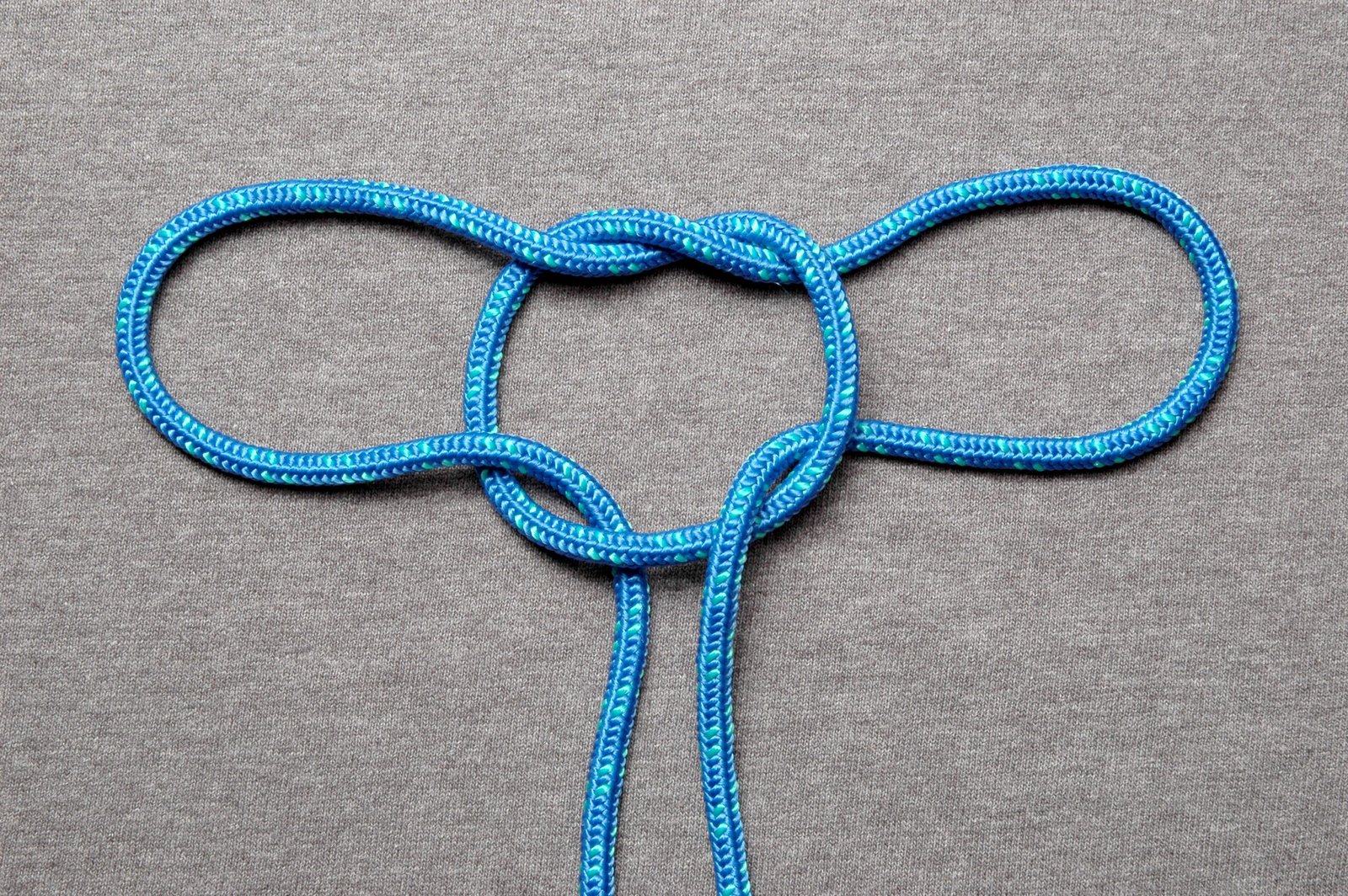
The hitch is actually relatively easy to learn, but it does require practice. Begin with the wide end of the tie on your right, allowing it to hang about 12 inches below the narrow end. This will ensure you have enough length to achieve a layered finish without being too short.
Take the wide end over the narrow end and tuck it under, as If you are making a standard knot. But the difference is the second wrap that gives it its unique stacked look. Carefully guide
The key moment happens when forming the outer layer. Instead of pulling the tie straight down immediately, adjust the folds gently so the layers remain visible and defined. Precision matters here. Smooth out any creases and ensure symmetry without making it too tight.
Finally, tighten the knot gradually while sliding it toward the collar. The finished shape should appear firm yet not bulky. With practice, tying the Thomas Knot becomes a confident routine rather than a complicated task.
Best Occasions to Wear the Thomas Knot
A formal business setting is possibly the most suitable environment for this knot. In top-tier meetings or presentations, it gives off a positive impression of attention to detail. It indicates that the wearer appreciates quality and is knowledgeable about professional style.
Weddings and formal celebrations are also excellent occasions. While many guests rely on traditional tie knots, this option adds individuality without clashing with the event’s tone. It works particularly well with solid or lightly textured ties.
Networking events offer another opportunity to stand out. In crowded rooms filled with standard suits and predictable styling, small differences create memorable impressions. The Thomas Knot provides just enough distinction to spark conversation without appearing forced.
Even in semi-formal settings, such as upscale dinners or award ceremonies, this knot maintains its charm. Its structure complements tailored jackets and crisp shirts, reinforcing a well-thought-out ensemble.
Fabric and Tie Selection for the Thomas Knot
Not every tie fabric performs equally with intricate knots. Medium-weight silk tends to produce the cleanest and most defined finish. The natural sheen enhances the layered effect without exaggerating it.
Avoid overly thick fabrics, as they can create unnecessary bulk. Heavy wool ties may distort the structure, while extremely thin materials may fail to hold shape. Finding the right balance ensures the knot looks intentional rather than accidental.
Patterns should also be considered carefully. Solid colors emphasize the architectural design of the knot. Subtle patterns such as fine stripes or micro-dots can work well, but bold prints may distract from the structure.
Length is another important factor. Because the tying process involves additional wraps, slightly longer ties often produce better results. Choosing quality materials ensures durability and helps maintain the crisp appearance that defines this style.
Common Mistakes and How to Avoid Them
One common mistake is pulling the knot too tight too quickly. Doing so can flatten the layered effect and eliminate the distinctive character. Tightening gradually allows you to preserve the intended structure.
Another issue arises from incorrect proportions. If the wide end is not positioned properly at the beginning, the final length may fall awkwardly above or below the belt line. Taking a moment to measure the starting position prevents frustration later.
Poor fabric choice also leads to disappointing results. As mentioned earlier, bulky ties can overwhelm the knot, while flimsy ones may collapse. Investing in high-quality materials significantly improves the outcome.
Lastly, neglecting collar compatibility can undermine the look. A narrow collar may crowd the knot, making it appear compressed. Selecting shirts with appropriate spread ensures the Thomas Knot has space to shine.
Styling Tips from a Professional Perspective
From a stylist’s perspective, coordination is everything. The knot should complement, not compete with, the rest of the outfit. Neutral tones often work best, allowing the structure to take center stage.
Balance the tie with well-fitted tailoring. A sharp suit enhances the knot’s precision. Sloppy or oversized garments will detract from the polished impression you aim to create.
Grooming also plays a role. A clean shave or well-maintained beard reinforces the disciplined aesthetic associated with structured knots. Attention to small details consistently communicates professionalism.
Ultimately, confidence completes the look. Once you are comfortable tying and wearing the Thomas Knot, it becomes a natural extension of your style. That ease translates into a composed and authoritative presence.
Final Thoughts on Mastering the Thomas Knot
The art of dressing well lies in the details. While many focus on suits and shoes, the tie knot often determines the overall impression. Choosing a distinctive option like the Thomas Knot demonstrates awareness and sophistication.
Learning this knot requires practice, but the reward is a refined appearance that sets you apart. It is not about being flashy or trendy. Instead, it reflects intention and craftsmanship.
In professional environments where perception influences opportunity, small enhancements matter. A carefully tied knot may not guarantee success, but it contributes to the image of competence and reliability.
As fashion continues to evolve, classic elements remain powerful. The Thomas Knot stands as a reminder that thoughtful details can elevate even the simplest outfit into something memorable.
Meta Description: Discover everything about the Thomas Knot, including its history, styling tips, tying guide, fabric selection advice, and professional insights. Learn how to master this refined tie knot for formal and business occasions.
About the Author